

Home
About Us
Contact Us
Customer Reviews
Questions? We Can Help

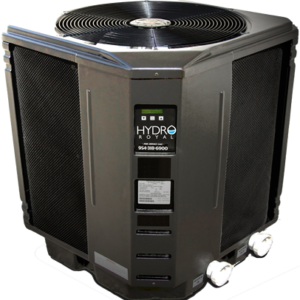
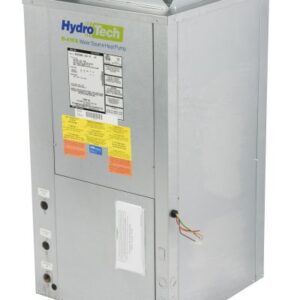
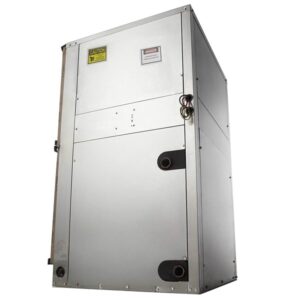
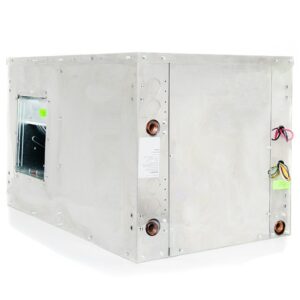
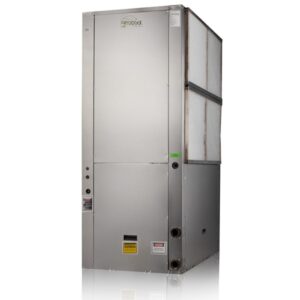
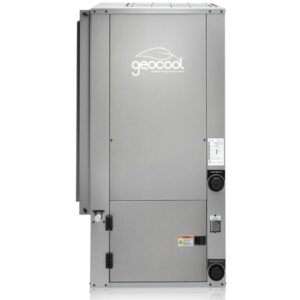
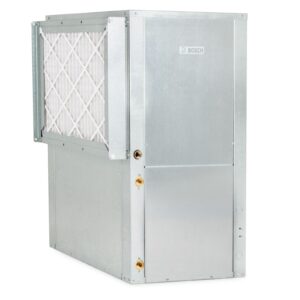
Do I Need a Geothermal Pool Heater?
Geothermal swimming pool heat pumps are one of my favorite pool heating methods for cold-weather states, especially for indoor pools that need to be heated year-round.
That said, this is not the right application for everyone. A geothermal pool heating system requires additional geothermal components and a more involved installation. Before I recommend a water-to-water geothermal pool heat pump, I always make sure the customer would not be better served by a standard air-to-water swimming pool heat pump. In many cases, the simpler method is more cost-effective, has a lower upfront cost, and can be installed faster while still delivering excellent results.
How a Geothermal Pool Heat Pump Works
A geothermal pool heat pump removes heat from a lake, river, pond, drilled well, or buried pipes on the property that absorb geothermal heat from the ground. When buried pipe is used, that is called a closed-loop installation.
Water and ground temperatures below about 5 feet tend to stay much more constant throughout the year. That is what makes a geothermal pool heater such a strong choice for year-round applications in areas with large outdoor temperature swings. In my experience, that stable underground temperature is one of the biggest advantages of geothermal pool heating.
When I Recommend a Geothermal Pool Heater
I usually recommend a geothermal pool heat pump when the installation conditions support it and when year-round performance matters more than installation simplicity. I have seen situations where a geothermal pool heat pump was a better choice than an air-to-water pool heater, especially in colder climates or in applications where stable heating output was important.
That said, not every property is a good fit. Different parts of the country and the world require different HDPE loop lengths and different burial depths. Not everyone has enough space on the property for the pipe layout needed for a successful installation. That is one of the first things I look at before recommending this type of system.
Geothermal Pool Heater vs Air-to-Water Pool Heat Pump
The main difference between an air-to-water pool heat pump and a geothermal pool heat pump is the heat source. An air-to-water unit pulls heat from the outside air, while a geothermal system pulls heat from the ground or a water source.
Since underground temperatures stay much more stable, geothermal systems do not go through the same BTU output swings that air-source systems can experience as outdoor air temperatures change. That makes geothermal pool heating ideal for certain geographic locations and operating conditions.
Is a Geothermal Pool Heater Cost-Effective?
Compared with other pool heating methods on the market, geothermal ground-source or water-to-water pool heat pumps are among the most cost-efficient options available. Their efficiency is often close to that of air-to-water pool heat pumps, and they are reliable and economical to run over time.
Running costs are usually much lower than propane (LP) or natural gas heaters, and in my experience they are also more dependable than solar for applications that require consistent year-round heating.
To give a general example, if a heat pump costs about $100 a month to run, a natural gas heater might cost around $200 to $300 a month, while propane could cost $600 to $800 a month depending on local fuel prices and seasonal fluctuations.
Geothermal Pool Heating for Commercial Pools
Geothermal pool heating is also an excellent option for large commercial pool applications. I often see these systems in hotels, condominiums, and homeowners’ associations where pools need dependable heating and long-term operating efficiency.
For the right property, a geothermal pool heat pump can be one of the best long-term investments in pool heating.
So, Do I Need a Geothermal Pool Heater?
If you have an indoor pool, need year-round heating, live in a cold climate, or have a property that can support a geothermal installation, then yes, a geothermal pool heater may be the right solution.
If your installation needs to stay simpler and lower in upfront cost, an air-to-water pool heat pump may be the better fit. I always look at the property, the climate, the heating goals, and the installation conditions before making that recommendation.